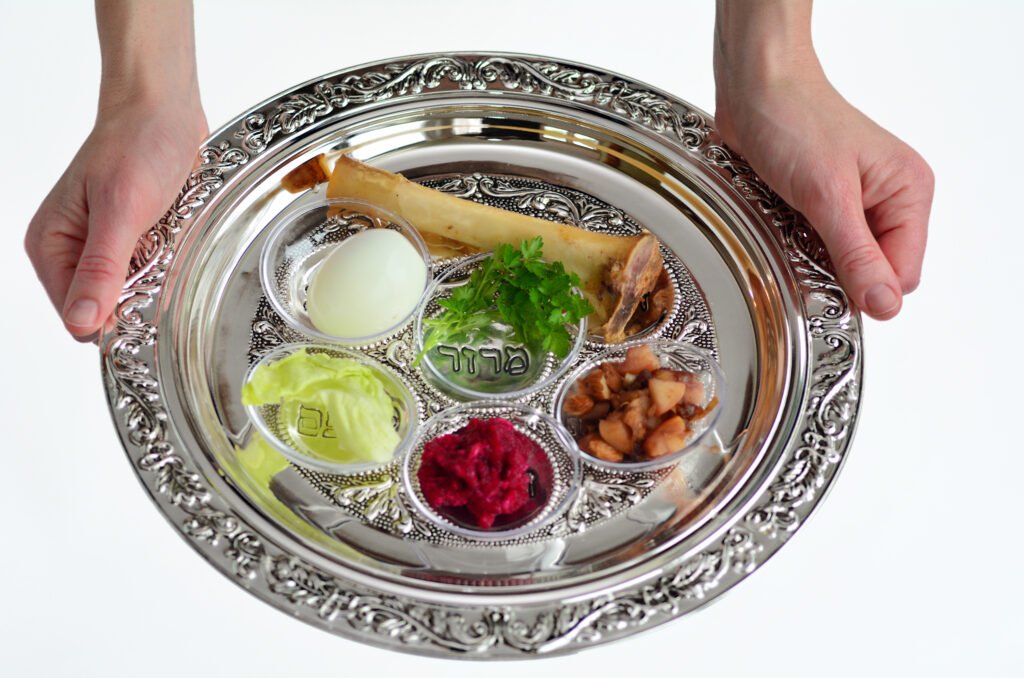


There is something remarkable about Pesach.
Ask a Jew who may not regularly observe Shavuot or Sukkot what they remember most from their childhood, and very often the answer is the same: the Pesach Seder.
Why is that?
Even Jews with only a slight connection to tradition usually have memories of matzah, the Four Questions, the story of Yetziat Mitzrayim, and a long table filled with family. Somehow, Pesach leaves an imprint that other holidays do not.
Pesach Is the Birth of Our Nation
Pesach is not just another holiday on the calendar. It marks the birth of the Jewish people.
Before Yetziat Mitzrayim, we were a family. After leaving Egypt, we became a nation.
That moment of redemption defines who we are. Every year at the Seder, we are not just remembering history. We are reliving our origin story.
The Power of the Seder Experience
Pesach is also experiential in a way few other holidays are.
The Seder is interactive. We ask questions. We tell stories. We eat symbolic foods. Children participate. Grandparents share memories. Traditions are passed down in real time around the table.
It is not just a prayer service or a ritual. It is an event.
Even someone who does not regularly attend synagogue often has vivid memories of sitting at a Seder table. The sounds, the smells, the melodies, and the feeling of family connection create something lasting.
A Holiday Rooted in Family
Many Jewish holidays are centered in the synagogue. Pesach begins at home.
The home becomes the classroom. The parent becomes the teacher. The story is told face to face.
That intimate setting leaves a deep emotional mark. For many, Pesach is tied to memories of grandparents, parents, and family traditions. Even those who drift from observance often hold tightly to those memories.
Hidden Strength in Jewish Identity
There is also something deeper.
Pesach tells the story of survival. Of slavery to freedom. Of darkness to redemption.
Even Jews who may not feel strongly connected to other mitzvot often still connect to the narrative of resilience. It speaks to identity. It speaks to belonging. It speaks to continuity.
Pesach reminds us who we are.
What This Means for Today
When we speak with seniors and ask what they remember most, the Pesach Seder comes alive in their stories. The details may vary, but the feeling is consistent.
Pesach has a way of reaching into the Jewish heart and staying there.
Perhaps that is the lesson. Even a small connection can leave a permanent mark. A Seder attended decades ago can still shape identity today.
And if Pesach memories can last a lifetime, imagine what consistent learning, shared tradition, and meaningful experiences can do year after year.
Pesach teaches us something powerful: when Judaism is lived, experienced, and shared around the table, it is never forgotten.
With love,
Rabbi Yisroel Bodkins